
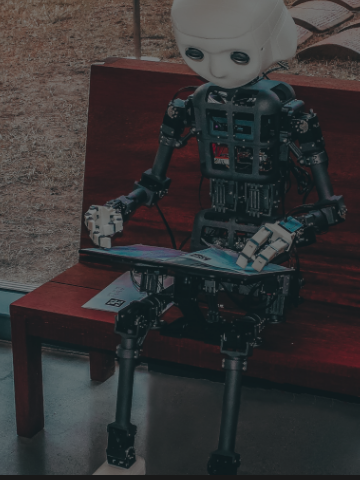
The Evolution of AI: From Efficiency to Intelligence
In 2024, we viewed Artificial Intelligence primarily as a tool for efficiency, helping us overcome writer’s block or generate meta descriptions. As we move through 2026, the landscape has shifted entirely. AI is no longer just a “plugin” or an assistant; it is becoming the foundation of how we build intelligent, high-performance websites, which are optimised for AI.
Generative UI and Personalisation
The most significant trend this year is the rise of Generative UI. Instead of every visitor seeing the exact same layout, we are now able to create interfaces that adapt in real-time to user intent. By leveraging machine learning, we can prioritise specific content blocks or navigation paths based on a user’s previous interactions. This level of hyper-personalisation ensures that your website is always serving the right content at the right time.
Beyond ChatGPT: Integrated Workflows
While tools like ChatGPT and Google Gemini remain essential for content strategy, their integration into our professional workflows has become much more prevalent. In 2026, we are seeing AI deeply embedded within Content Management Systems like Umbraco and WordPress. This allows for automated image optimisation, predictive SEO audits, and even accessibility checks before a page is even published.
The Human Element
Despite these advancements, the “human” touch remains the most valuable asset in web design. AI can provide the data and the raw building blocks, but it requires a professional eye to ensure the brand voice remains authentic and the user experience feels natural. At Zebedee, we treat AI as a powerful co-pilot that allows us to redirect our focus toward high-level strategy and bespoke creative solutions for our clients.
Minimalism and Simplicity
The trend of clean, minimalist design, centred around simplicity and easy navigation, is something that resonates with me, particularly due to the continuous need to streamline and optimise website page speed. Fast page speed not only enhances user experience but potentially helps SEO. However, the digital landscape over the last decade has also seen a huge shift with websites evolving into sophisticated applications. This can be attributed to the advancements in technology and enhanced user interfaces along with the use of third-party applications and advanced code ranging from APIs and jQuery frameworks to 3rd party fonts and animations. While these elements enhance the appeal of digital experiences, the drawback can be cumbersome and ‘bloated’ websites that tend to load slowly. Do read our previous blog post where we talk in detail about the ‘need for speed and you’ll understand what we are up against. In the profession of web design and development, this tricky balance unfolds – a juxtaposition of super-fast page speed against the allure of enhanced interfaces and the constraints of cost and time. Therefore I can understand the rise and need of the minimalistic flat design trend, prioritising user experience by streamlining information gathering and removing unnecessary features and animations.
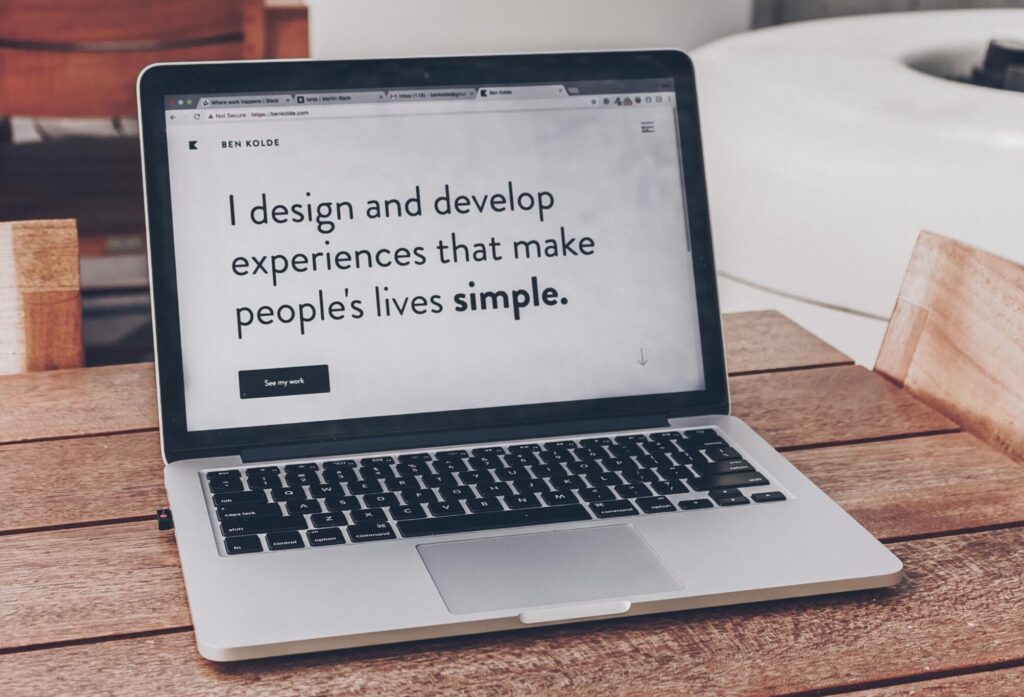
Let’s embrace the old adage of ‘less is more’ and the trend in minimalism will ultimately help create a more straightforward and less overwhelming web experience for users, providing a more efficient web development process on the way. This leads us on to…
Accessible Inclusive Design
I believe accessible and inclusive design will stay crucial. It’s not just a passing trend as it is currently being labelled; it’s something we are always doing as best practice- creating sites which are designed to work well on all devices, for all users ensuring there are no barriers for users with disabilities or restrictions on bandwidth and speed. Think about it – using contrasting colours, bigger fonts, and buttons that are easy to tap on your phone just makes sense for everyone. And here’s the thing: inclusive design isn’t just about today as a ‘trend for 2026’; it’s about continuous adoption and improvement in accessibility. I’m talking about keeping things simple as mentioned above and accessible for everyone and anyone, all the time, not just as a trending style.
Oh and don’t forget the rise of voice commands for accessibility – I love using it. Voice command is here to stay and increasing usage is making websites even more accessible. In a nutshell, this is about making the online world a better place for everyone, no matter how they access it, not as a trend but as an ever-improving discipline in web design.
Micro-interactions
They’ve been around for a while now, but along with the need to minimise bloat and complexity in web design, micro-interactions can help counter that. Here we’re talking about the small CSS animations such as mouse hover animations, small interactive elements or components that work on user interaction – they may seem subtle or insignificant but they offer intuitive browsing and engagement for the user experience at little cost in terms of performance and development time. With the move towards improved accessibility, I think we’ll see a more minimalist approach to animations, with more subtle interactions for increased user experience.
In summary, I believe 2026’s web design trends are all about keeping it simple, inclusive, and leveraging the power of AI. If you’d like your website to stay ahead in the digital game reach out to us – and let’s design a website together that’s not just up to date but rather tailored for usability, inclusivity and success in 2026.
Let’s see where the design pendulum swings in 2026!
And of you would like to stay ahead in the digital space, partner with Zebedee, a leading web design agency in London, to ensure your next project is built for success.